Exploring the Benefits of Mental Treatment for Adolescent Well-Being and Development
Mental treatment plays a crucial function in the wellness and growth of young adults. Adolescence is a tumultuous period marked by social and psychological difficulties. Treatment provides a structured atmosphere for teenagers to articulate their feelings and confront their struggles. It furnishes them with necessary tools for strength and interaction. As they browse this developing phase, the influence of treatment can be extensive. What specific benefits can emerge from such support during these formative years?

Recognizing the Teenage Mind: Stress and obstacles
As teens navigate the complexities of their developmental phase, they encounter countless challenges and pressures that can significantly affect their psychological health and wellness. This duration is noted by considerable physical, psychological, and social modifications, which can cause sensations of confusion and uncertainty. Peer influence increases, usually bring about a battle for approval and identification. Academic expectations can produce extra tension, as the pressure to excel mounts in an increasingly competitive environment.
Furthermore, the advent of social media presents a brand-new layer of complexity, where comparisons to curated online personas can worsen feelings of inadequacy and anxiety. These elements can lead to psychological distress, consisting of anxiety, clinical depression, and low self-esteem. Understanding these difficulties is vital for parents, instructors, and mental wellness experts, as it provides understanding into the adolescent experience and highlights the demand for supportive treatments to foster strength and well-being throughout this vital developmental stage.
Creating a Safe Area for Expression
Creating a risk-free space for expression is necessary for adolescents navigating their turbulent developmental stage. In healing settings, this setting fosters open dialogue, permitting teens to interact their feelings without fear of judgment. Such rooms enable them to explore their feelings and ideas, which is essential for comprehending their identities and experiences.
When teens feel safe, they are extra likely to share their battles, consisting of anxiety, anxiety, or social problems. This open communication can result in deeper insights and facilitate individual growth.
Additionally, a secure room encourages imagination and self-reflection, providing young adults the liberty to express themselves through different outlets, such as art or writing. Developing trust between the therapist and the adolescent is important, as it underpins the performance of the healing procedure. Inevitably, developing a secure room for expression acts as a structure for psychological recovery and individual advancement during these formative years.
Developing Coping Techniques and Resilience

Therapists often introduce techniques such as mindfulness, journaling, and analytical abilities, making it possible for teenagers to handle their reactions better. Furthermore, by taking part in role-play scenarios, they practice exactly how to deal with tight spots, strengthening their confidence. In time, these skills promote a sense of agency, gearing up teenagers with the devices to navigate life's unpredictabilities. The advancement of resilience not just aids in overcoming instant challenges yet likewise prepares for much healthier emotional feedbacks in their adult years, inevitably adding to lifelong health.
Enhancing Communication Abilities
Efficient interaction skills are crucial for teens as they browse intricate social landscapes. Mental therapy plays a vital function in boosting these skills, permitting adolescents to reveal their thoughts and emotions much more plainly. Through led sessions, therapists urge teens to verbalize their sensations, helping with much better understanding in peer communications and family dynamics.
Therapy offers a secure space for practicing active listening, compassion, and assertiveness. These abilities encourage young adults to take part in significant discussions, willpower conflicts, and build stronger connections. As they find out to connect effectively, they also acquire confidence in their capability to support for themselves and their needs.
Additionally, enhanced communication skills add to emotional intelligence, enabling teens to identify and react to the feelings of others. This all natural growth fosters a supportive environment, inevitably promoting total health and social assimilation. Via psychological treatment, young adults can grow these necessary abilities for a much healthier social experience.
Cultivating Individual Growth and Self-Discovery
Promoting personal growth and self-discovery in young adults entails a complex technique that motivates understanding of individuality. This process additionally anchor stresses the value of building resilience skills and boosting psychological understanding. Together, these elements develop a structure for healthier, more certain people as they navigate their developmental years.
Recognizing Personal Identification
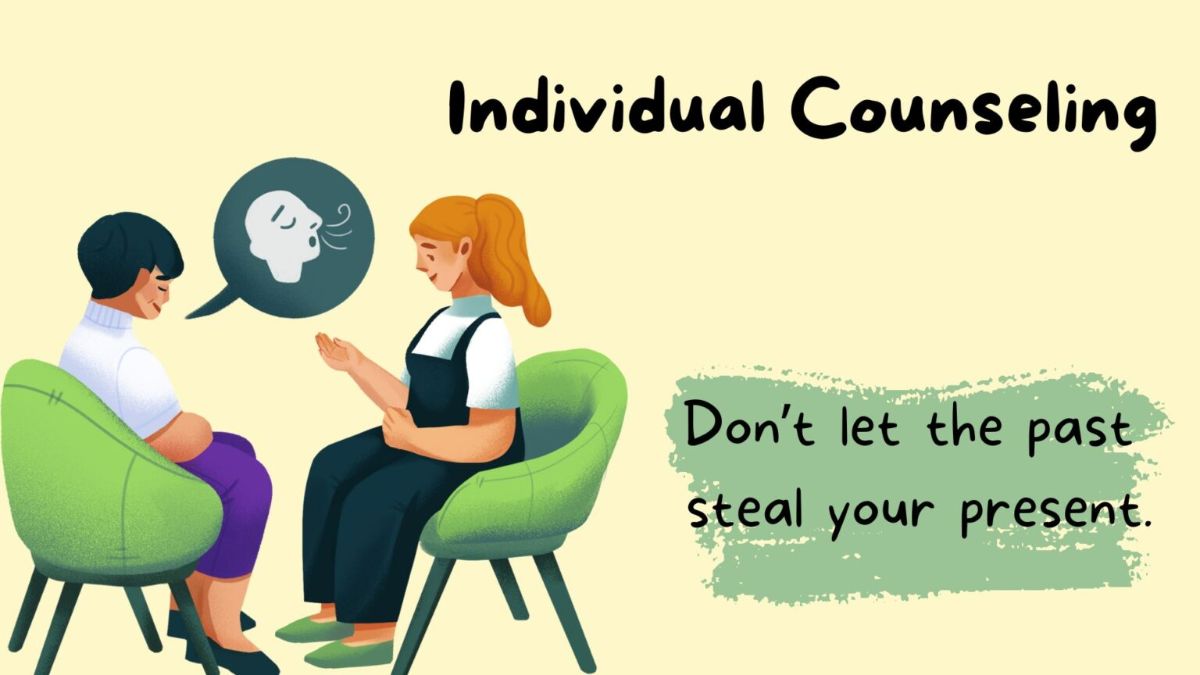
How do young adults navigate the complex landscape of individual identity as they endeavor for self-discovery and development? During this developmental duration, they grapple with numerous impacts, including peers, family members, and societal expectations. Psychological therapy can function as a necessary device, supplying a safe room for exploration and representation. With led conversations, young adults can verbalize their thoughts and sensations, allowing them to recognize their beliefs, needs, and values. This procedure promotes a deeper understanding of their unique identity, encouraging them to make informed options and create a sense of objective. As they participate in self-discovery, they find out to accept their individuality and navigate challenges with better quality, ultimately improving their overall well-being and individual growth.
Structure Resilience Skills
Enhancing Emotional Awareness
Enhancing emotional awareness is crucial for young adults steering the intricacies of adolescence, as it allows them to identify and recognize their sensations much more efficiently. By engaging in psychological treatment, teenagers learn to identify their psychological reactions and the triggers behind them. This process cultivates personal growth and self-discovery, allowing them to articulate their feelings and manage obstacles more expertly. As teenagers develop emotional recognition, they cultivate empathy, enhance connections, and enhance communication abilities. In addition, this increased understanding help in decision-making, assisting them navigate social stress and develop a feeling of identity. Inevitably, promoting emotional awareness via therapy can bring about healthier coping mechanisms and a much more balanced mood, fundamental for prospering during these developmental years.
Building Healthy And Balanced Relationships and Support Equipments
While traversing the intricacies of teenage years, developing healthy you can check here and balanced relationships and support group is important for young adults. These connections supply emotional security and a feeling of belonging, crucial throughout this developmental stage. Favorable relationships with peers, household, and advisors can enhance self-confidence and strength, enabling teens to browse challenges much more properly.
Mental therapy plays an essential duty in fostering these connections by gearing up teens with communication and conflict-resolution skills. With treatment, they find out to share their feelings, understand different point of views, and develop borders, which are fundamental for maintaining healthy communications.
In addition, encouraging networks encourage teenagers to seek help when needed, decreasing isolation and promoting mental wellness. When teenagers really feel attached to their support group, they are a lot more most likely to take part in positive actions and make educated choices. Generally, the growing of healthy relationships and support group contributes in advertising teen wellness and personal development
Often Asked Questions
Just how Do I Discover a Qualified Specialist for My Teen?
To find a certified therapist for a young adult, one ought to look for suggestions from medical care suppliers, research qualifications online, examine reviews, and identify the therapist concentrates on adolescent concerns, fostering a helpful environment for growth.
What Are the Prices Related To Psychological Treatment for Teens?
The expenses linked with mental treatment for teens vary extensively, generally ranging from $50 to $250 per session. Insurance policy coverage, moving range costs, and local resources can affect affordability and availability for family members seeking support.
Exactly How Usually Should Teenagers Attend Therapy Procedure?
Young adults should ideally go to therapy click here for more sessions weekly or biweekly, relying on individual needs. Constant sessions can promote a secure room for expression, while allowing therapists to keep track of development and change methods efficiently with time.
Can Treatment Work for All Teens?
Therapy can be effective for many teens, but individual results vary. Factors such as personal circumstances, openness to the process, and the restorative method utilized all influence its effectiveness for each adolescent.
What Should Parents Do Throughout Their Young adult's Treatment Refine?
Moms and dads ought to actively support their teenager's therapy procedure by keeping open interaction, appreciating privacy, attending sessions if invited, and encouraging their youngster's initiatives (Individual Teen Counselling). Recognizing and perseverance are crucial as teens browse their personal growth trip
Mental therapy plays a crucial function in the well-being and development of teens. By involving in psychological treatment, teenagers discover to recognize their emotional responses and the triggers behind them. Psychological treatment plays a critical role in cultivating these connections by equipping teens with communication and conflict-resolution skills. Young adults ought to preferably go to treatment sessions regular or biweekly, depending on specific requirements. Parents must actively sustain their teenager's treatment process by keeping open communication, valuing privacy, participating in sessions if welcomed, and encouraging their kid's efforts.